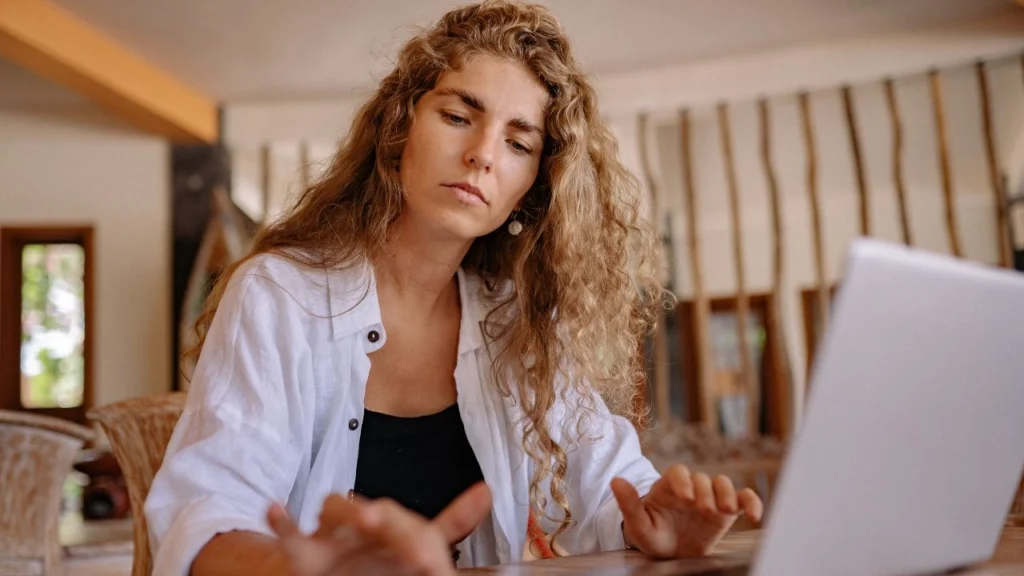


Psychology says when women say “I’m fine,” they may not always mean that everything is truly okay. In many cases, those two simple words can hide a much deeper emotional story involving stress, disappointment, exhaustion, sadness, or frustration.
Most people have heard this phrase before. Someone asks if something is wrong, and the answer comes quickly: “I’m fine.”
The conversation ends, but the feeling remains unfinished. Later, it may become clear that the woman was carrying far more than she said.
This response is often misunderstood. It is not always passive aggression, manipulation, or poor communication.
Sometimes, it is a learned habit shaped by years of social expectations, emotional labor, and the pressure to keep peace.
Why Some Women Hide Their Feelings
One explanation comes from gender role socialization. From a young age, many girls are taught to be kind, calm, helpful, and emotionally aware of others.
These qualities can be valuable, but they can also create pressure. Some women grow up believing that expressing anger, disappointment, or emotional need may make them difficult, dramatic, or selfish.
As adults, this can turn into automatic emotional suppression. Instead of saying, “I’m hurt,” “I’m tired,” or “I need support,” they say, “I’m fine” to avoid conflict or prevent others from feeling uncomfortable.
The Hidden Weight Of Emotional Labor
Emotional labor is one of the biggest reasons women may hide how they really feel. It refers to the invisible work of managing emotions, remembering responsibilities, supporting relationships, and keeping everyone else emotionally steady.
Many women carry this weight daily. They remember birthdays, organize family schedules, comfort friends, manage household needs, support partners, and monitor the mood of everyone around them.
A woman may work all day, come home to more responsibilities, care for children or family members, and still feel expected to remain patient and calm. By the end of the day, she may be emotionally exhausted but still say she is fine.
The People-Pleasing Pattern
People-pleasing can also play a role. Some women connect their worth to being useful, agreeable, and dependable. They may fear disappointing others, being criticized, or creating tension.
This pattern can make it hard to admit when they are struggling. Instead of asking for help, they keep giving. Instead of saying what they need, they protect everyone else’s comfort.
Over time, this can lead to emotional burnout because the person’s own needs are constantly pushed aside.
Why Strong Women Often Stay Silent
A common misconception is that strong women always speak openly about their feelings. In reality, many emotionally strong women become skilled at carrying pain privately.
They may continue working, smiling, caring, and showing up for everyone else while feeling lonely or overwhelmed inside. Because they appear capable, others may assume they are doing fine.
This silence is sometimes linked to self-silencing, where a person suppresses personal needs to protect relationships or avoid rejection.
Modern Pressure Makes It Harder
Modern life has added even more pressure. Many women are expected to succeed at work, maintain relationships, raise children, stay healthy, look confident, and remain emotionally available.
Social media can make this pressure worse by showing polished versions of life. The result is the “Superwoman” expectation: do everything, handle everything, and still appear happy.
In that environment, “I’m fine” can become a mask.
What Happens When Emotions Stay Hidden
Suppressing emotions for too long can have consequences. It may increase stress, create resentment, weaken relationships, and contribute to anxiety or emotional exhaustion.
Healthy emotional strength does not mean hiding every feeling. It means being able to recognize emotions, express needs, set boundaries, and ask for support when needed.
Conclusion
Psychology says when women say “I’m fine,” there may be a deeper emotional story behind the words. Sometimes, it reflects care, strength, and a desire to keep peace.
But constantly hiding pain can become harmful. The healthiest relationships are those where women feel safe enough to say not only “I’m fine,” but also “I’m struggling,” “I need help,” and “I need someone to listen.”