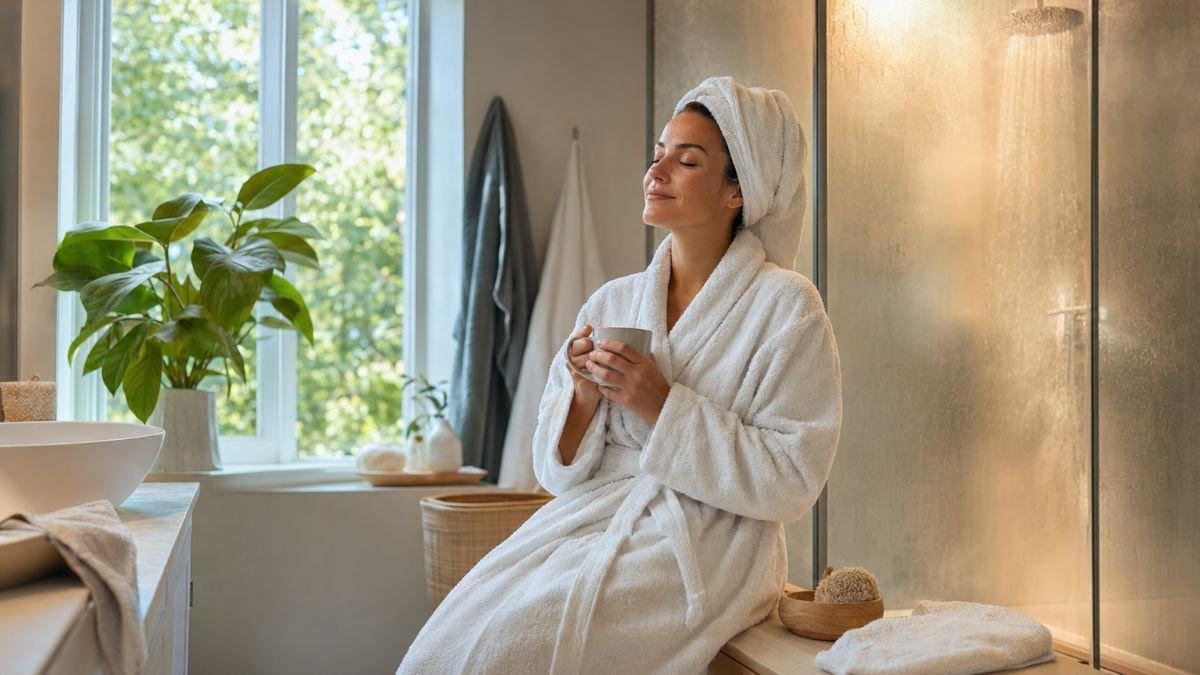

Taking a steaming shower during hot summer weather may seem uncomfortable to other people. However, those who maintain this habit may be responding to more than the temperature outside.
Warm water can become associated with comfort, privacy and relief from daily demands. For some people, the shower is not simply where they wash. It is a predictable space where they can pause, think and temporarily escape stimulation.
This does not mean every hot-shower enthusiast has an unmet emotional need. Personal preference, climate, upbringing and physical comfort also influence water-temperature choices.
Warmth Can Feel Emotionally Comforting
Psychologists have explored whether physical warmth and emotional warmth are connected through embodied cognition, the idea that bodily experiences can influence thoughts and feelings.
Early experiments suggested that holding something warm could affect perceptions of friendliness and social connection. However, later attempts have struggled to reproduce some of those findings consistently.
A 2024 replication found no clear overall effect of physical warmth on judgments of social warmth.
Even without a universal psychological effect, individuals can still develop personal associations between warm water, safety and comfort.
Hot Showers Can Become Self-Soothing Rituals
Self-soothing describes actions people use to reduce tension and help themselves feel settled. Listening to music, wrapping up in a blanket or making a familiar drink can serve this purpose.
A hot shower may work similarly. The steady sound of the water, physical sensation of warmth and temporary privacy can reduce competing demands on a person’s attention.
After a difficult day, the shower may be one of the few places where nobody expects an answer or immediate action. That experience can make the routine emotionally rewarding regardless of the season.
Familiar Habits Can Override The Weather
Repeated behaviours gradually become automatic when they occur in the same context and provide a familiar reward.
Someone who has taken hot showers for years may strongly associate that temperature with feeling clean, relaxed or ready for the next part of the day. Cooler water can then feel incomplete or unsatisfying, even when the weather is hot.
The brain is not necessarily demanding warmth. It may be anticipating the familiar sensory experience connected with the established routine.
Showers Help Mark Daily Transitions
People often use rituals to separate different parts of the day. A shower after work can represent leaving professional stress behind, while an evening shower may signal that it is time to slow down.
These transitions create structure and reduce uncertainty. The routine tells the brain that one period has ended and another is beginning.
Warm showers taken before bed may also support sleep under certain conditions. A systematic review found that warm bathing or showering before bedtime could improve sleep onset and some measures of sleep quality. The benefit may involve the body’s cooling process after leaving the warm water.
Personality Claims Should Be Treated Carefully
It is tempting to conclude that people who prefer hot showers are more sensitive, anxious or routine-oriented. Scientific evidence does not support making such broad judgments from one habit.
People may choose hot water because of muscle discomfort, household customs, personal preference or simple familiarity. Someone can also enjoy an emotionally comforting routine without possessing a particular personality type.
The habit may reveal what feels soothing to that individual, but it cannot diagnose their emotional condition.
Comfort Matters More Than Extreme Heat
A relaxing shower does not need to be dangerously hot. Very high temperatures can feel unpleasant, particularly during extreme weather, and may leave some people feeling overheated or light-headed.
Comfortably warm water can still provide the familiar sensory and psychological benefits associated with the ritual.
Conclusion
Psychology suggests that taking hot showers during summer may involve comfort, habit and emotional regulation as much as physical warmth. The shower can become a private transition ritual that signals safety and relief after a demanding day.
It does not reveal a fixed personality, but it may show how strongly the mind connects familiar sensations with calm.