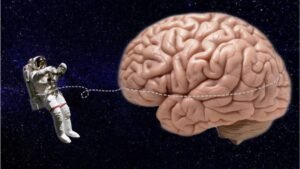
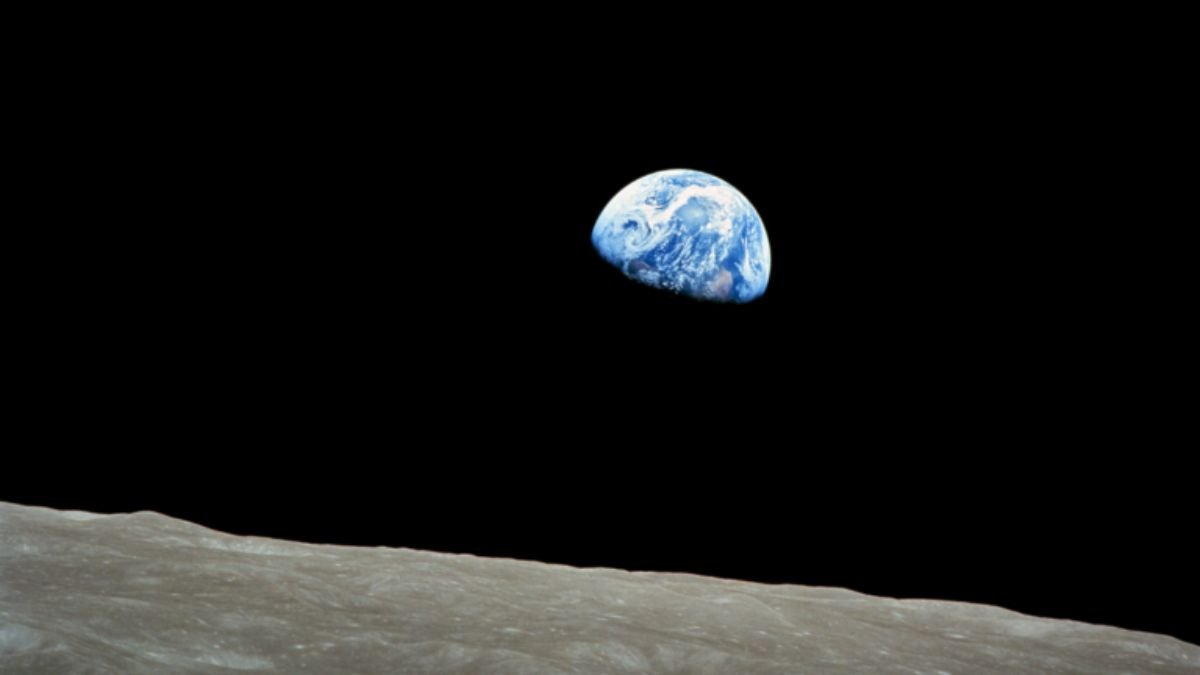

For years, astronauts have described a powerful experience when they see Earth from space. It’s often called the “overview effect”—a moment where the planet suddenly looks small, fragile, and deeply connected. Many believed that if more people could experience this perspective, it would change how they think about the world, making them more aware, more connected, and more responsible.
So researchers asked a simple but powerful question: what if this experience could be recreated on Earth using virtual reality? And more importantly, would it actually change how people think and act?
Recreating Space Without Leaving Earth
To explore this idea, scientists designed an experiment where people experienced a virtual space tour using VR technology. The goal was to simulate the feeling of seeing Earth from above—something most humans will never experience in real life.
Participants were exposed to this immersive environment and then asked about their feelings, thoughts, and willingness to act on global issues. The expectation was clear: if the experience truly captured the essence of the overview effect, it should create a strong emotional reaction and potentially influence behavior.
What happened next was both expected and unexpected at the same time.
The Powerful Emotion That Everyone Felt
The first result was clear. The virtual experience successfully created a strong sense of awe. People reported feeling amazed, moved, and emotionally overwhelmed—similar to what astronauts describe when seeing Earth from space.
This confirmed something important. Even without physically leaving the planet, the human mind can still respond deeply to powerful visual and immersive experiences. The feeling of awe does not require actual space travel—it can be triggered through perception alone.
But while this emotional response was strong, the deeper question was whether it would lead to meaningful change.
The Unexpected Result No One Saw Coming
Many researchers believed that this sense of awe would automatically lead to stronger global thinking and more environmentally responsible behavior. The assumption was that once people feel connected to the planet as a whole, they would naturally care more about protecting it.
However, the results told a more complex story.
The virtual space experience, despite creating strong awe, did not directly increase people’s sense of global identity or their immediate willingness to take environmental action.
This was surprising. It challenged the idea that a single powerful experience—even one as impactful as seeing Earth from space—can instantly change how people behave.
The Subtle Link Between Emotion and Action
Although the direct impact was limited, the research revealed something more subtle and meaningful. Awe still played an important role—but not in a simple, immediate way.
Instead of directly changing behavior, awe worked indirectly. People who felt stronger awe were more likely to develop a deeper sense of connection and concern for others around the world. This emotional shift, in turn, slightly increased their willingness to support environmental actions.
This suggests that awe is not a quick solution for changing behavior. It is more like a starting point—a feeling that opens the door to change rather than forcing it instantly.
Why One Experience Isn’t Enough
One of the most important insights from this research is that human behavior is more stable than expected. Deep beliefs, identity, and long-term habits are not easily changed by a single moment, no matter how powerful it feels.
Even something as profound as seeing Earth from space—whether real or simulated—does not immediately override existing patterns of thinking. Instead, it interacts with them slowly, influencing how people feel over time rather than forcing immediate action.
This reveals a deeper truth about human nature: emotional experiences can inspire change, but they rarely create it on their own.
What This Means for the Future of Technology and Human Experience
The findings also raise interesting questions about the role of technology, especially virtual reality. If VR can create powerful emotional experiences like awe, it has the potential to influence how people see the world in new ways.
However, this research shows that technology alone is not enough. Emotional experiences need to be combined with reflection, context, and repeated exposure to create lasting impact.
In other words, seeing something extraordinary is only the beginning. What matters is what happens after.
A Deeper Truth About How Humans Change
At its core, this research highlights something simple yet powerful. Humans are not easily changed by single moments, no matter how emotional or intense they are.
Instead, change happens gradually. Emotions like awe can open the mind, shift perspective, and create a sense of connection—but they need time and reinforcement to turn into real action.
This makes awe both powerful and limited at the same time. It can inspire, but it cannot force transformation.
The Thought That Stays With You
The idea of seeing Earth from space has always been associated with transformation. But this research shows that the reality is more complex.
Awe can make people pause, reflect, and feel connected to something bigger. But lasting change requires more than a single experience—it requires time, repetition, and deeper engagement.
In the end, the most surprising discovery is not that awe is powerful, but that even the most powerful emotions still depend on what we choose to do next.
The findings are based on research published in Journal of Environmental Psychology/ScienceDirect.