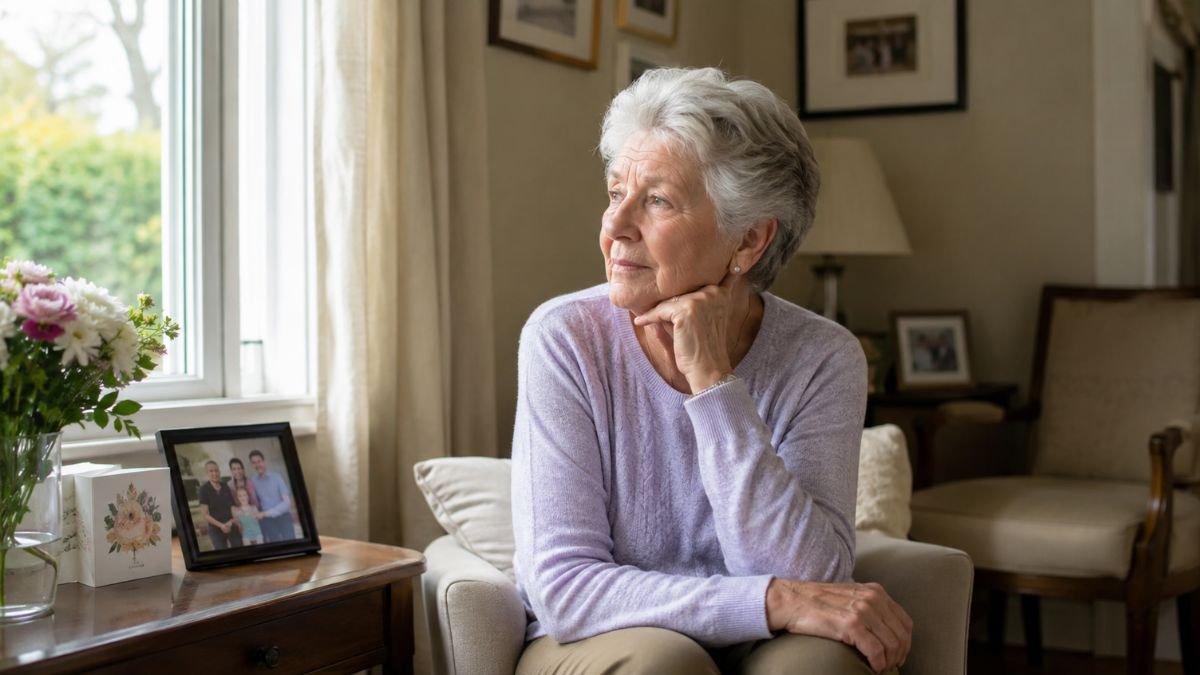

Loneliness after 65 does not always look like an empty house, a silent phone, or a blank calendar. Sometimes, it appears in a much more confusing way.
You may still have family, friends, dinners, grandchildren, messages, and people who care about you deeply. You may know, without question, that you are loved. But love and being needed are not always the same thing.
Psychology suggests that one of the loneliest periods of life can arrive when a person is still surrounded by affection but no longer feels essential in the daily lives of others.
The emotional gap between being loved and being needed can feel wider than many people expect.
Why Being Needed Matters So Much
For much of adult life, identity is built around responsibility. People are needed by children, partners, parents, employers, neighbors, and communities.
They solve problems, provide support, remember appointments, pay bills, cook meals, offer advice, and hold families together.
Then, after retirement, grown children, changing health, or shifting family roles, that daily usefulness may slowly fade. The love may remain, but the urgency disappears.
Nobody means to cause pain. Children become independent. Workplaces move on. Families get busy. Younger generations build their own routines. But for the person over 65, the change can feel like a quiet loss of purpose.
Loved, But Not Central
Many older adults are not abandoned. They are invited to holidays, remembered on birthdays, included in family photos, and checked on regularly. But they may no longer feel central.
They may feel like someone people visit rather than someone people depend on. They may be appreciated, but not consulted. Protected, but not included. Loved, but not woven into the daily decisions of life.
This can create a particular kind of loneliness that is hard to explain. It is not the loneliness of having no one. It is the loneliness of feeling like your role has become smaller while your heart is still full.
The Loss Of Purpose Can Hurt Deeply
Purpose is not only about work or productivity. It is about feeling that your presence matters in a practical and emotional way. People often thrive when they know someone depends on them, trusts their judgment, or needs their care.
After 65, many people still have wisdom, energy, affection, and experience to give. But if no one asks for it, they may begin to feel invisible.
This is why simple inclusion matters. Asking for advice, sharing decisions, requesting help with a family recipe, inviting someone into a project, or giving them a meaningful role can restore dignity and connection.
What Families Should Understand
Older loved ones may not always say they feel lonely. They may not want to sound needy, ungrateful, or dramatic. They may simply smile, say they are fine, and quietly absorb the feeling of being less necessary.
The answer is not pity. It is participation. People over 65 do not only need visits; they need meaningful involvement. They need to feel that their presence still changes something.
Conclusion
The loneliest period after 65 often begins not when love disappears, but when usefulness fades. A person can be deeply loved and still feel lonely if they no longer feel needed.
True connection means more than checking in. It means inviting older loved ones back into the living center of family, purpose, and belonging.