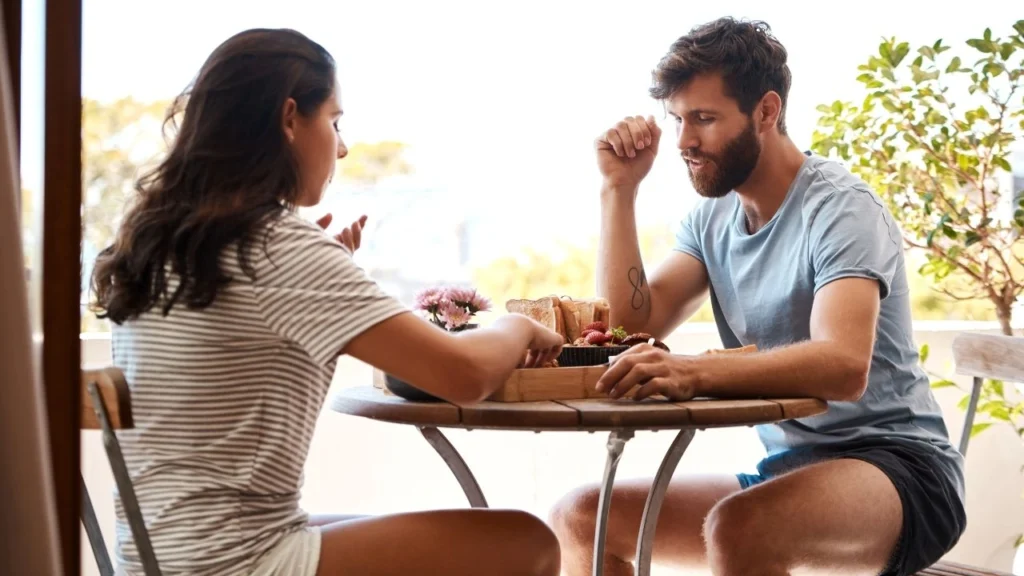
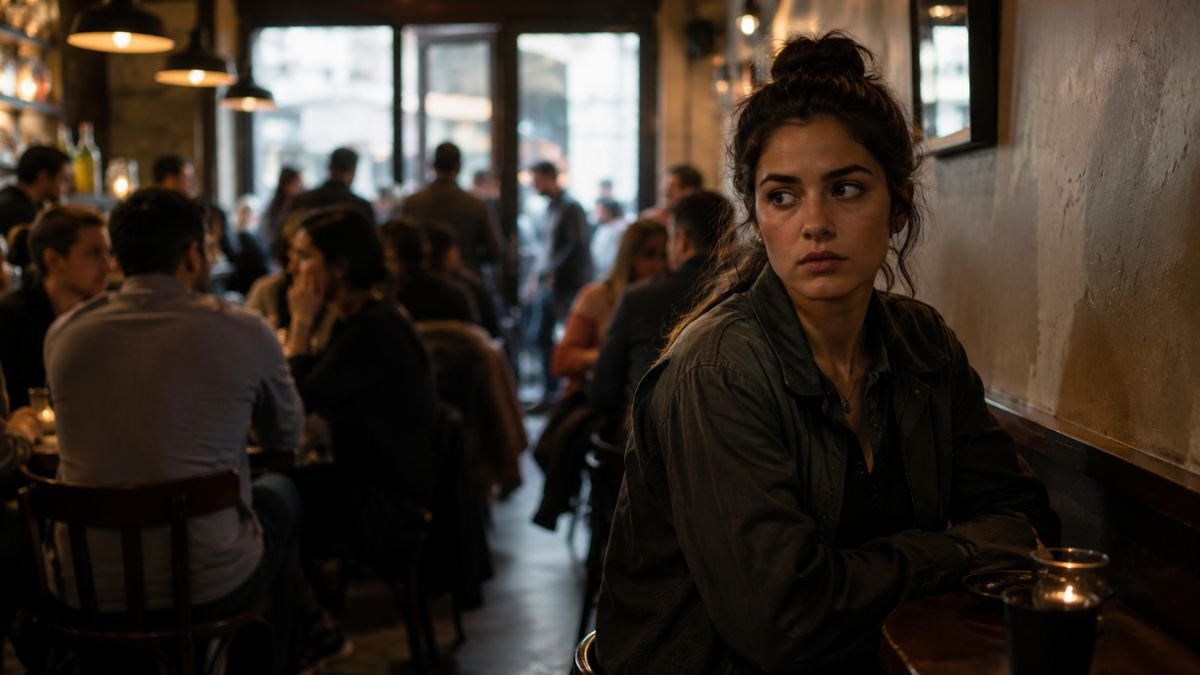

Many people walk into a restaurant and immediately choose the seat facing the door. They want a wall behind them, a clear view of the room and a sense that nothing is happening outside their awareness.
For some, this is just a normal preference. Humans naturally like to feel safe, and facing the room can create a sense of control.
But psychology suggests that for others, this habit may reveal something deeper: an internal tension that has less to do with the actual room and more to do with the nervous system.
Why People Want To Face The Door
Wanting to see the entrance is not unusual. It is connected to an old survival instinct. Being able to scan a space and avoid surprises once helped humans stay safe.
In modern life, that instinct may show up as choosing the corner booth, sitting near a wall or avoiding seats where people are behind you. Most of the time, this does not mean anything serious.
The difference appears when the preference becomes uncomfortable to ignore.
Observation Or Hypervigilance?
Some people explain the habit by saying they are simply observant. They like to notice who enters, where exits are and what is happening around them.
But relaxed observation usually fades after a quick look around. A person notices the room, then returns to the meal or conversation.
Hypervigilance feels different. The awareness stays switched on. The person keeps monitoring the room, even when nothing dangerous is happening. If they are forced to sit with their back to the crowd, they may feel physically tense, restless or distracted.
That reaction is not just curiosity. It is the body acting as if it must stay on guard.
The Room May Not Be The Real Problem
The strange part is that the person often knows the room is safe. They do not truly believe the restaurant, café or waiting area is dangerous. Yet the discomfort remains.
This suggests the tension is not coming from the environment itself. Instead, the environment gives the tension somewhere to attach.
The chair, the doorway or the people behind them become the focus of an internal alarm that was already active.
Even when they get the “right” seat, the relief may only be temporary.
Where This Habit Can Come From
For some people, this pattern may be connected to earlier life experiences. A child who grew up in unpredictable surroundings may learn to read the room before relaxing. They may become sensitive to tone, mood, movement and small changes in others.
Over time, this alertness can become automatic. The person may no longer think of it as anxiety. It simply feels like a personality trait.
They may say, “I just prefer to face the door,” without realizing that the preference once helped them feel safer.
The Cost Of Always Staying Alert
A nervous system that never fully relaxes uses energy. Even a pleasant dinner can feel tiring if part of the mind is quietly scanning for problems.
This is why some people feel drained after social events, even when nothing bad happened. Their body was not only eating, talking and listening. It was also guarding.
How To Loosen The Pattern
The goal is not to force yourself into discomfort. A better first step is awareness. Notice the urge to face the door without judging it.
Then, in safe situations, small experiments can help. Sitting in a slightly less controlled position for a short time can teach the body that nothing bad happens when it lets go a little.
Over time, the nervous system can learn that the present moment is safer than the old alarm suggests.
Conclusion
Psychology suggests that refusing to sit with your back to a crowded room is not always just a habit. For some people, it may be a sign of hidden tension, hypervigilance or an old need to stay prepared.
There is nothing wrong with wanting the corner seat, but understanding the reason behind it can be powerful. Sometimes the chair is not about the room. It is about a younger part of the mind still trying to feel safe.