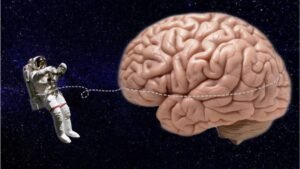

For astronauts, traveling to space is not just about science, missions, or exploration. There is a moment—unexpected, overwhelming, and deeply emotional—that many of them describe after seeing Earth from above. It is not something they train for, and it is not something that can be fully explained through preparation.
When they look back at Earth from space, many astronauts report an intense feeling of awe and wonder, as if they are seeing the planet—and humanity—for the first time. Researchers studying this experience have found that it often feels transformative, leaving a lasting impact on how individuals think about life, people, and the world itself.
A View That Feels Bigger Than Words
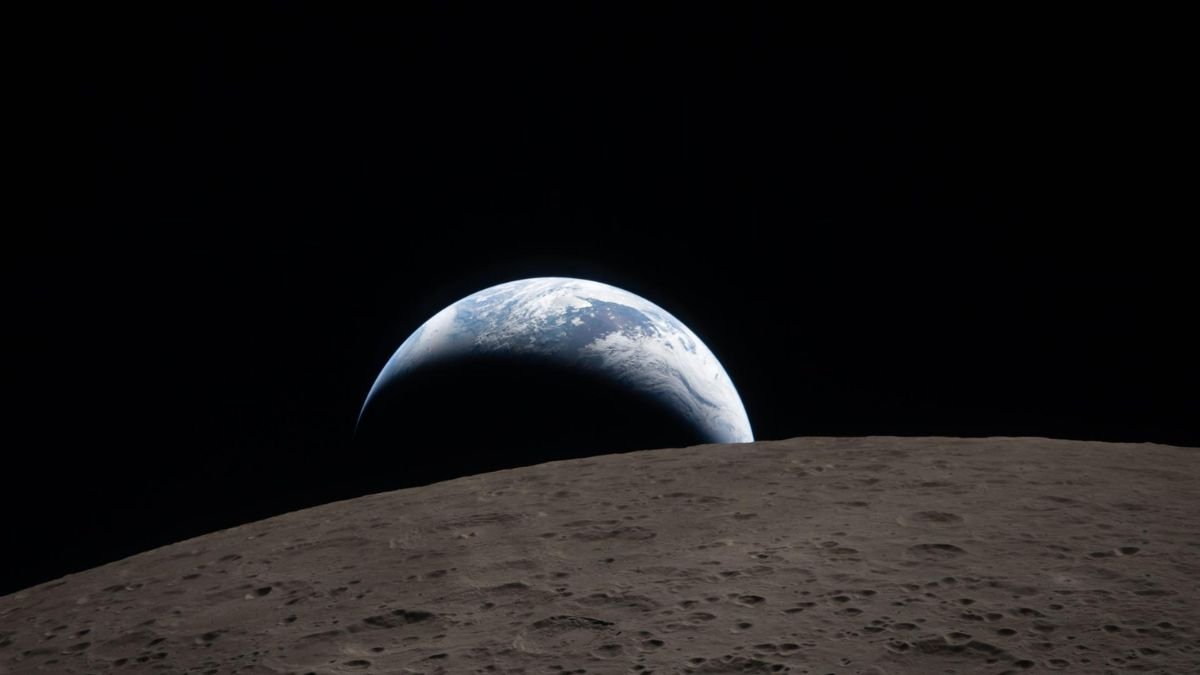
Seeing Earth from space creates a perspective that is impossible to experience on the ground. From orbit, the planet appears as a small, fragile sphere floating in darkness, without visible borders or divisions.
This visual experience triggers what scientists call the “overview effect,” a powerful shift in perception that combines beauty, scale, and emotional intensity. Astronauts often describe feeling overwhelmed, not just by what they see, but by what it represents—a shared home for all of humanity.
The experience is not just visual. It carries a deep emotional weight, making people feel connected to something much larger than themselves.
Why This Feeling Is So Intense
What makes this experience so unique is the combination of vastness and realization. The brain is suddenly exposed to something so large and meaningful that it struggles to process it in a normal way.
This feeling of awe is often described as both beautiful and overwhelming at the same time. It can create a sense of humility, where individuals feel small in comparison to the vastness of space, yet deeply connected to the planet below.
Researchers studying astronauts have found that this reaction is not random. It is a natural response to witnessing something that challenges the way people usually understand their place in the world.
How This Experience Changes People
One of the most fascinating parts of this research is what happens after the moment passes. Astronauts often return to Earth with a different mindset.
Many describe a stronger sense of unity with other people, a deeper appreciation for the planet, and a shift in personal values. Everyday concerns may start to feel less important compared to the bigger picture they have witnessed.
This change is not temporary. For some, it becomes a lasting transformation that affects how they think, make decisions, and view global issues.
The Challenge Scientists Are Trying to Solve
Because only a small number of people have experienced space firsthand, researchers are now trying to understand whether this feeling can be recreated on Earth.
Scientists are exploring ways to simulate this experience, using technology and immersive environments to trigger similar emotional responses. The goal is not just to study astronauts, but to understand how such powerful experiences can influence human thinking and behavior more broadly.
If this effect can be recreated, it could open new possibilities for education, environmental awareness, and even mental well-being.
More Than Just a Space Phenomenon
While this experience originates in space, its implications go far beyond it. The way astronauts describe their emotional shift reveals something important about human nature.
It shows that perspective plays a major role in how people think and feel. When individuals are exposed to something vast, meaningful, and outside their normal experience, it can reshape their understanding of the world.
Even on Earth, moments of awe—whether through nature, art, or powerful experiences—can create similar, though less intense, effects.
A New Way to Understand Human Experience
The research into astronauts’ experiences highlights a simple but powerful idea: sometimes, a change in perspective is enough to change everything.
Seeing Earth from space does not alter the planet itself, but it completely transforms how it is perceived. That shift—from seeing the world as divided and ordinary to seeing it as unified and extraordinary—is what makes the experience so impactful.
In the end, this discovery is not just about space travel. It is about understanding how deeply human perception can be influenced by what we see, and how a single moment can redefine the way we understand our place in the universe.
The main work has been published in Penn Today