
Psychology says the introverts who seem most peaceful in their 50s and 60s are not always the ones who became more social. They are often the ones who stopped apologizing for needing quiet.
For much of life, introverts are told the same things. Get out more. Be more open. Say yes. Push yourself. Stop being antisocial. Behind this advice is a quiet message that introversion is something to fix.
Many introverts believe this for years. They attend events they do not enjoy, accept invitations they already know will drain them, and try to become more outgoing because they think that is what maturity requires.
But by midlife, many begin to understand something important: peace does not come from pretending to be someone else. It comes from building a life that fits who they actually are.
They Stopped Trying To Fix What Was Never Broken
Many calm introverts eventually realize that their quiet nature was never a weakness.
They may have spent decades trying to act more extroverted. They joined groups, made small talk, attended after-work drinks, and forced themselves into social situations that left them exhausted. For a while, they may have believed the tiredness was just the price of personal growth.
But over time, they noticed the truth. Acting against their nature did not make them happier. It made them more depleted, irritable, and disconnected from themselves.
The introverts who become peaceful later in life are often the ones who finally stop treating their personality as a problem. They stop trying to become the louder, busier, more socially available person others expected.
That acceptance becomes the beginning of real calm.
They Learned That Quiet Is Not Loneliness
One of the biggest misunderstandings about introverts is that quiet means loneliness.
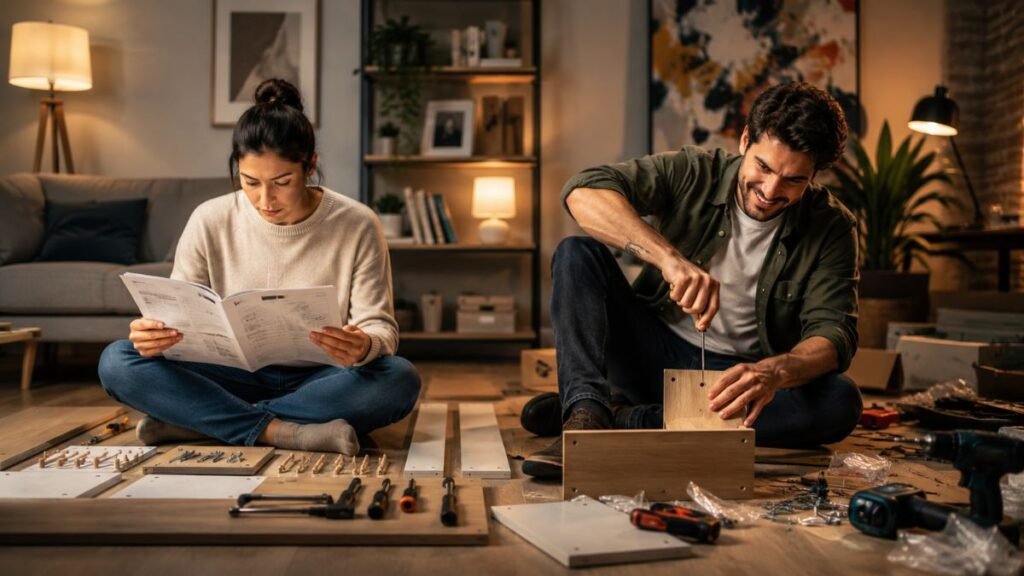
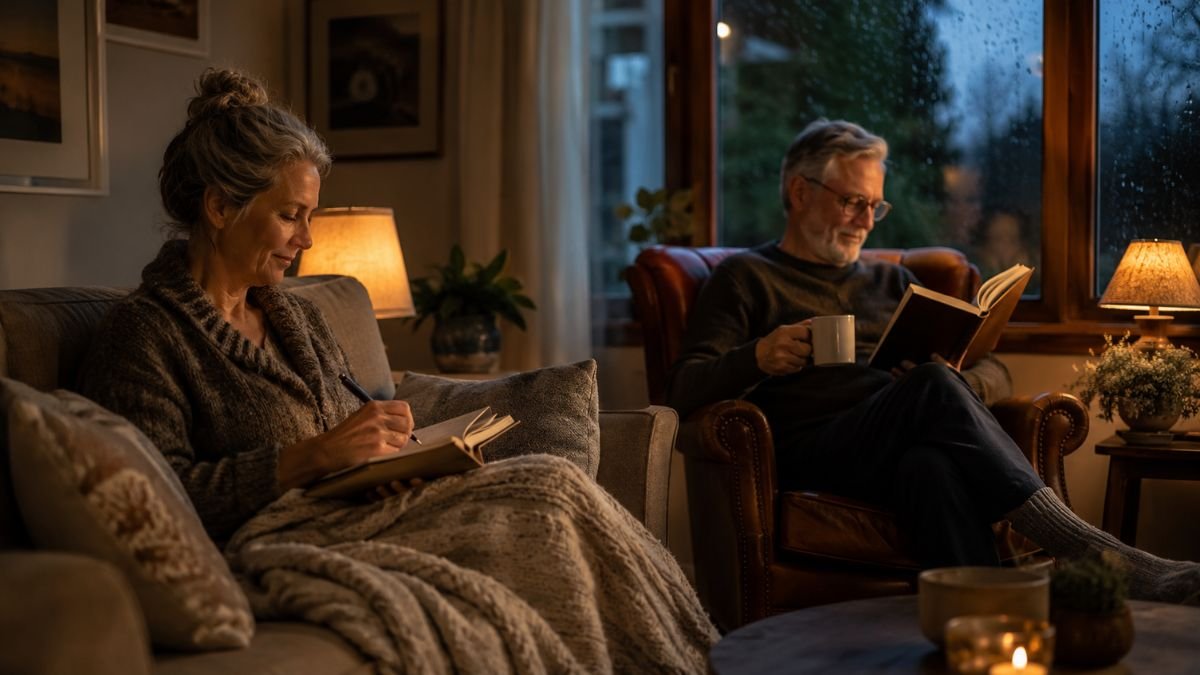
For many introverts, a quiet Friday night is not a sign of sadness. It is recovery. It is space. It is the emotional reset they need after a week of conversations, work pressure, family demands, and social expectations.
Peaceful introverts understand that being alone and being lonely are not the same thing. They may love people deeply, but still need distance to feel balanced.
By their 50s and 60s, many stop explaining this to everyone. They no longer feel guilty for staying home, reading, cooking, watching a film, walking alone, or simply enjoying silence.
They know their nervous system needs peace, and they respect that need.
They Built A Life Around Their Real Energy
The happiest introverts in later life often become very honest about their energy.
They stop overbooking themselves. They leave space between social events. They choose smaller gatherings over crowded rooms. They protect mornings, evenings, or weekends for recovery.
This is not avoidance. It is self-knowledge.
Instead of arranging life around what looks socially impressive, they arrange life around what keeps them emotionally steady. They understand that saying no to one event may help them show up more fully for the people and commitments that truly matter.
This kind of boundary-setting is one reason peaceful introverts often seem grounded as they age. They have stopped living in constant recovery from a life that did not suit them.
They Stopped Measuring Themselves By Extrovert Standards
Many introverts spend years judging themselves by extrovert rules.
They think they should have bigger friend groups, busier weekends, louder confidence, and more visible social lives. But those standards do not always match what introverts value.
Peaceful introverts eventually stop using other people’s lives as a measuring stick. They realize that a meaningful life does not need to be crowded.
A few loyal friendships can matter more than dozens of casual connections. Deep conversations can matter more than constant social activity. A calm home can matter more than an impressive social calendar.
Once they stop comparing, they begin to feel free.
They Became More Selective, Not More Closed Off
Peaceful introverts are not necessarily isolated. In fact, many have strong relationships.
The difference is that they become more selective. They choose people who respect their need for quiet. They avoid relationships that require constant performance. They prefer honesty over social obligation.
This selectiveness can look like withdrawal to people who do not understand it. But for introverts, it is often a sign of emotional maturity.
They are not rejecting connection. They are choosing connection that does not cost them their peace.
Why This Matters More In Midlife
In the 50s and 60s, many people begin rethinking how they spend their time.
Children may be grown. Careers may shift. Social pressure may feel less important than emotional health. Introverts often use this stage of life to return to themselves.
They stop asking, “How do I seem more normal?” and start asking, “What actually gives me peace?”
That question changes everything. It allows them to make choices based on truth rather than guilt.
Conclusion
Psychology says peaceful introverts in their 50s and 60s are often not the ones who became more outgoing. They are the ones who stopped apologizing for wanting quiet.
They learned that solitude is not failure, quiet is not weakness, and a calm life is not a small life.
By accepting their real nature, protecting their energy, and choosing relationships that respect their limits, they build a life that feels honest. That is why they seem so settled. They are no longer trying to escape themselves.