
People who reach their 60s without close friends are often judged unfairly. Others may assume they are cold, socially awkward, avoidant or difficult to be around. But psychology suggests a deeper explanation.
Many of these people were not lacking friendship skills. In fact, they may have spent decades being the emotional support system in every relationship. They were the ones who listened, remembered, checked in, gave advice and carried other people through difficult seasons.
Over time, that emotional responsibility can become exhausting. What looks like withdrawal in later life may actually be the result of years of giving more than they received.
They Were the Emotional Anchor for Everyone
In many friendships, one person quietly becomes the emotional anchor. They are the one who remembers birthdays, asks about medical appointments, follows up after bad news and answers the long calls when someone is struggling.
This role can feel meaningful at first. Being trusted and needed can feel like closeness. But when the care only flows one way, the relationship slowly becomes unequal.
The person doing the emotional labor may not notice the cost immediately. Each call, message or favor may feel small. But after decades, the accumulated weight can become heavy.
Emotional Labor Can Drain Friendships
Emotional labor is the invisible work of managing feelings, offering comfort, staying calm and creating emotional safety for others. In friendships, this labor often goes unnoticed because it does not look like work.
But it is work.
The listener may hold back their own problems so someone else can speak. They may make space for others while receiving little space in return. They may become the “strong one” so often that no one thinks to ask if they are tired.
By the time they reach their 50s or 60s, they may no longer have the energy to keep every friendship alive.
When Burnout Looks Like Distance
Friendship burnout does not always appear as a dramatic ending. Often, it looks quiet. A person answers calls later. They stop arranging catch-ups. They let messages sit unread. They decline invitations they once accepted out of obligation.
To others, this may look like avoidance. But for the person who has carried the emotional weight for years, it may feel like survival.
They are not rejecting people because they stopped caring. They are protecting the small amount of emotional energy they have left.
The Problem With One-Sided Closeness
Some friendships feel close to one person because they are always being heard. But the person doing the listening may not feel close in the same way.
For one friend, closeness means sharing pain, fear and personal details. For the other, closeness means absorbing those emotions without being equally known.
This creates a painful imbalance. The speaker may believe the friendship is strong, while the listener quietly feels unseen.
When the listener finally steps back, the friendship may collapse. That collapse reveals something important: the relationship may have depended on one person’s effort all along.
Why They Become More Selective With Age
By the time people reach their 60s, many become more honest about what drains them. They may no longer want conversations that feel one-sided. They may stop giving emotional energy to people who never ask how they are.
This is not social failure. It is discernment.
After years of carrying other people’s problems, they begin choosing peace over performance. They may prefer solitude to relationships that leave them emotionally depleted.
For some, this quiet life is not only loneliness. It is also rest.
Childhood Patterns May Play a Role
Some people become emotional caretakers early in life. They may have grown up in families where they had to be responsible, calm or helpful before they were ready.
As adults, they repeat that role in friendships, workplaces and relationships. They learn to be needed, but not necessarily to be cared for.
Later in life, they may finally realize that being useful is not the same as being loved.
Conclusion
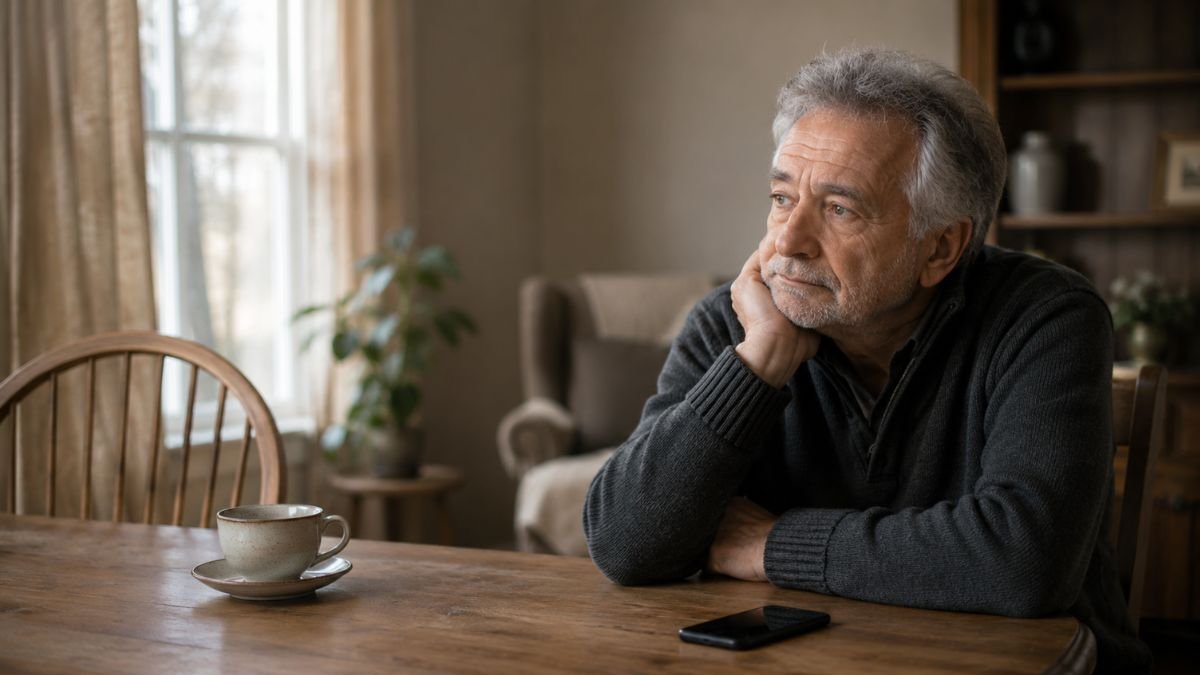
Psychology says people who reach their 60s without close friends are not always cold, difficult or socially deficient. Many spent decades carrying the emotional weight in one-sided friendships until they quietly ran out of room to keep doing it.
Their distance may not be a lack of warmth. It may be the result of emotional exhaustion. True friendship requires mutual care, not just one person always listening, remembering and holding everything together.
Sometimes, the quiet life people choose in their 60s is not failure. It is the peace they earned after years of carrying everyone else.