
No one handed me a guidebook when I was growing up. You learned by making mistakes first, then adjusting and doing better the next time. That was the process. But recently, I’ve been reflecting on something that rarely gets discussed—a subtle strength I’ve noticed in people who spent their 40s and 50s moving through life without a partner. Not the narrative people usually assume. Something far more complex.
Society tends to follow a predictable storyline about those who remain single into midlife. The assumption often is that they must be lonely, damaged, or somehow incomplete. It is treated like something missing, as if a crucial part of their life was never properly assembled.
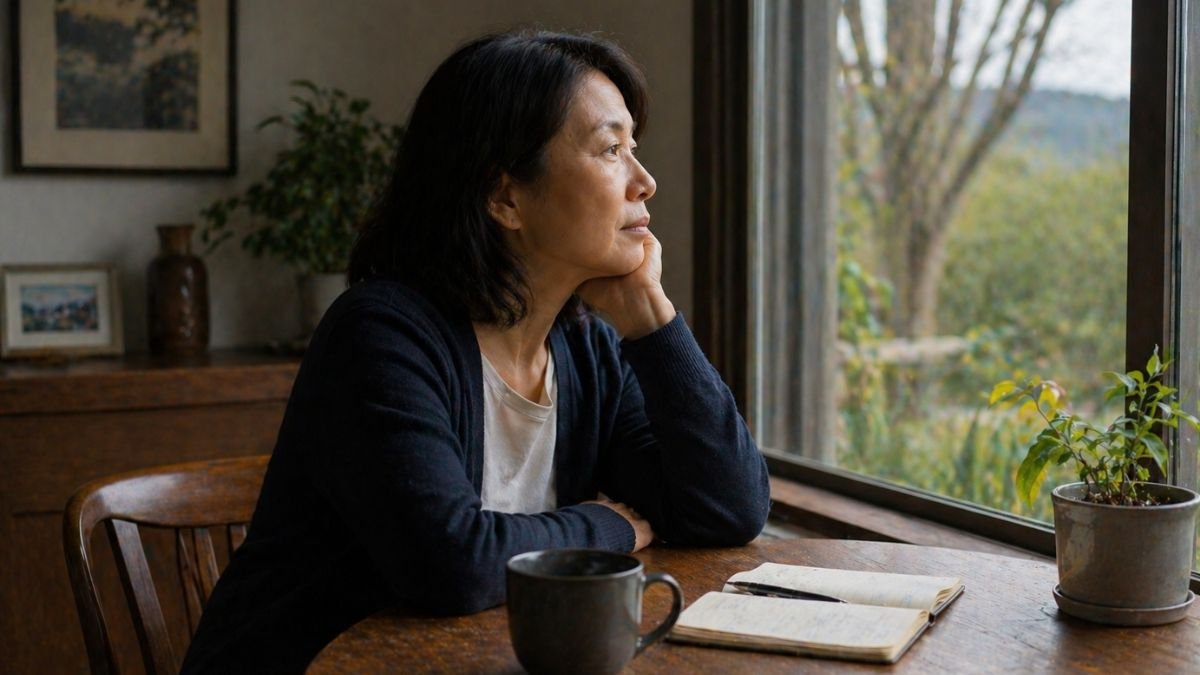
But when I actually observe these individuals, what I see is something entirely different. I see people who, through years of managing their own emotional storms, have developed a capacity many in long-term relationships never had to build independently—the ability to sit with difficult emotions without immediately passing them on to someone else to resolve.
What Solitude Really Does to a Person
Most people assume solitude simply means being alone. It is far more than that.
Emotional resilience is the ability to adapt to stress, adversity, and life’s challenges. Spending time alone often strengthens this ability by encouraging self-reliance and emotional regulation. That is not a minor outcome—it is fundamental.
In relationships, there is a natural tendency to share emotional burdens. After a difficult day, you come home and release that weight. A partner absorbs some of it. Whether they respond perfectly or not, you are not carrying it alone.
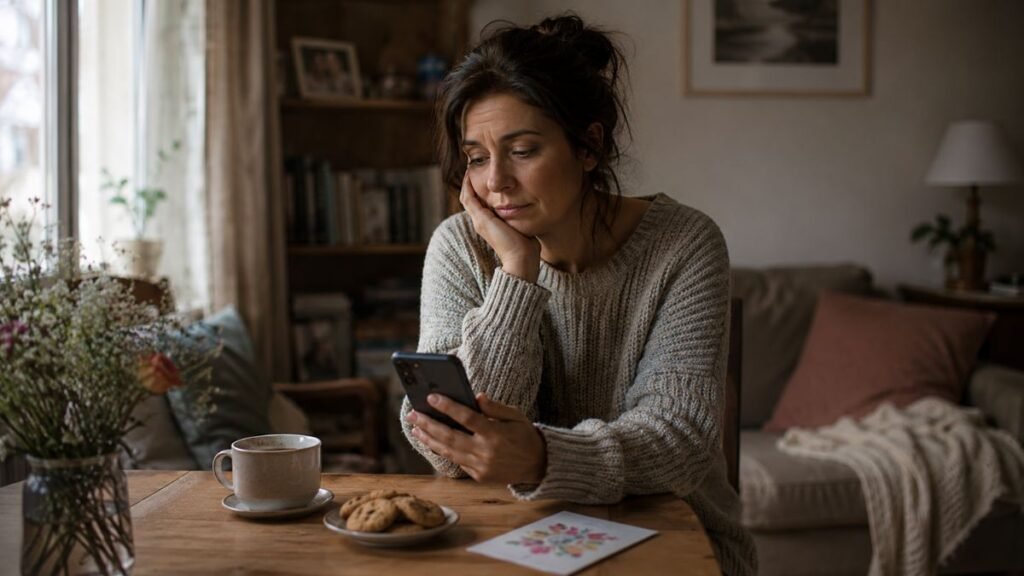
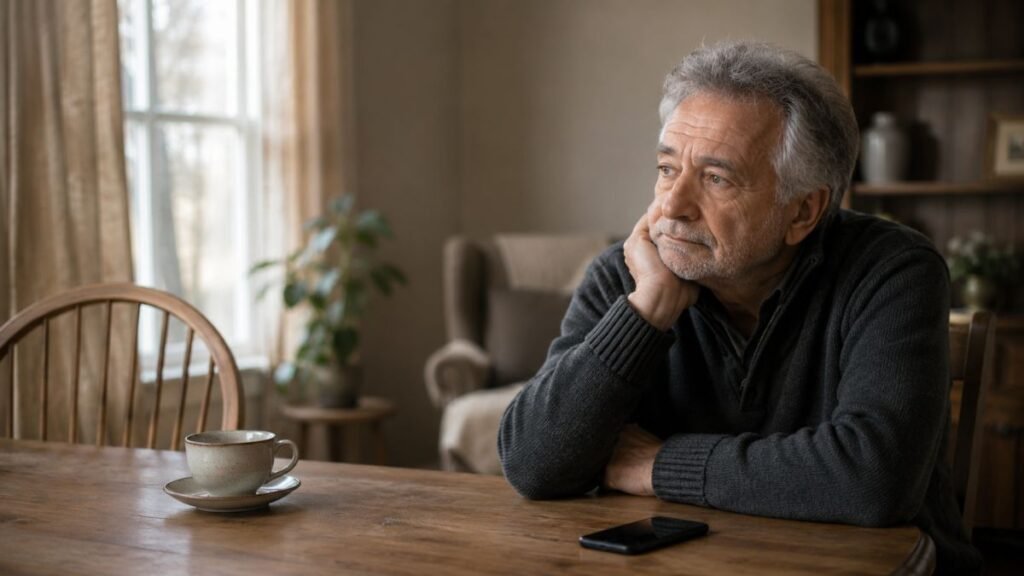
For individuals who have spent midlife on their own, that option does not exist. They must process their emotions independently. Over time, this builds a deep capacity for self-regulation. Learning to rely on yourself for comfort, validation, and motivation strengthens your ability to navigate life’s fluctuations.
I recently encountered a discussion where a man described spending fifteen years single and then transitioning into a committed relationship. The adjustment was profound—moving from complete self-reliance to shared emotional space is not something often talked about, yet it is significant.
I think of it like physical strength. If you never lift the weight yourself, you never truly know your capacity. Someone who always had assistance may not realise what they can handle independently. That is not a flaw—it is simply a different experience.
Solitude, as noted in research discussed by Psychology Today, helps shape character, build independence, and deepen self-awareness. It allows individuals to discover their authentic preferences without external influence. That kind of self-knowledge cannot be rushed or imitated.
When Science Reflects Lived Experience
What may seem like common sense is increasingly supported by research. Emotional well-being does not simply decline with age.
Studies published on PubMed indicate that older adults often experience stronger positive emotions, reduced negative emotional intensity, and improved emotional regulation. They also manage desires more effectively, even when those desires are intense.
Further research, summarised by Smithsonian Magazine and conducted at USC, suggests that older individuals tend to adopt a positive bias. They are more likely to let go of minor issues, avoid unnecessary conflict, and focus on what truly matters.
Additionally, findings from the American Psychological Association show that adults spend a significant portion of their waking hours alone—sometimes up to one-third. These periods of solitude can provide valuable opportunities for rest, reflection, and emotional reset.
For those who have lived independently for decades, this solitude is not a gap—it is a foundation.
The Difference Between Being Closed Off and Being Self-Contained
It is important to make a distinction. There is a version of solitude that can harden individuals, and that is something entirely different.
I have known people who avoided emotional expression altogether, not because they were self-sufficient but because they were conditioned to suppress feelings. That is not resilience—it is avoidance.
True self-reliance is not about isolation. It is about the ability to handle challenges independently while still having the option to seek help when desired. It is the difference between having a skill and building a wall.
The individuals who grow through solo midlife develop the skill. They become familiar with their emotional patterns. They learn that difficult moments pass. They stop treating every challenge as a crisis.
Research consistently shows that emotional well-being can remain stable—or even improve—with age. Those who have practiced navigating life independently are often ahead in this regard.
How This Strength Shows Up in Everyday Life
This kind of strength is not dramatic or attention-seeking. It is subtle.
It appears in someone who can receive difficult news and take time to process it before reacting. It appears in someone who attends a challenging medical appointment alone and manages it—not because they prefer it that way, but because they know they are capable.
It reflects a level of independence built over years of relying on one’s own mental and emotional resources. This builds confidence in handling life without constant external reassurance.
That said, this is not about suggesting that living alone is superior. Long-term relationships bring their own depth and meaning. Connection matters deeply.
But so does the ability to stand alone during difficult moments and genuinely feel okay—not pretending, not waiting for validation, but truly steady.
Research summarised by the British Psychological Society highlights that solitude can reduce stress and lessen the pressure to conform to social expectations. In a study involving adults over 35, participants reported feeling less controlled and more at ease on days when they chose to spend time alone.
Over time, this freedom from performance becomes a stable foundation.
Final Thoughts
Those who have spent their 40s and 50s navigating life independently often carry a quiet resilience into later years—something that cannot be quickly learned or externally acquired. They understand how to hold their emotional experiences without resisting or denying them.
This ability is rare and often overlooked. It does not demand attention, but it shapes how a person moves through life.
It also raises an interesting question. Many people in long-term relationships believe they have built the same emotional strength. But if they have always had someone to share the load, have they truly tested what they can carry alone?
The weight has always been there. The question is whether you know your own strength.