
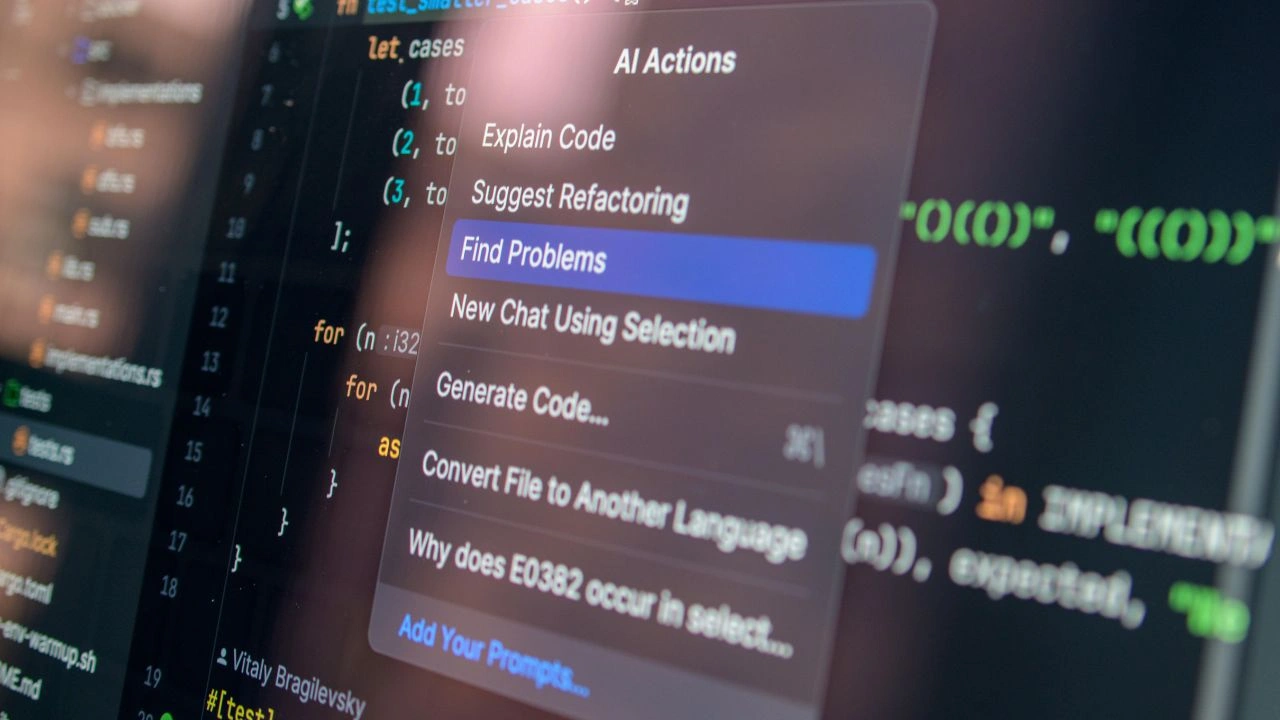

If you already know how to code but feel lost about entering the world of artificial intelligence, you are not alone. Many developers reach a point where traditional programming feels structured and predictable, while AI appears vast and undefined. The key is not to treat AI as something entirely different, but as an extension of your existing skills.
The first step is to understand that AI is less about writing rigid instructions and more about working with data, patterns, and probabilities. Instead of telling a computer exactly what to do, you train it to learn from examples. This shift in mindset is crucial before diving into tools or frameworks.
Build a Strong Conceptual Foundation
Before jumping into complex models, focus on the fundamentals. Learn the basics of machine learning concepts such as supervised learning, unsupervised learning, and reinforcement learning. You should also understand ideas like overfitting, bias and variance, and evaluation metrics.
Mathematics plays a supporting role here. You do not need to master advanced theory immediately, but familiarity with linear algebra, probability, and statistics will make things much easier. Think of these as the grammar of the AI language you are about to learn.
Choose the Right Tools and Language
Since you already know how to code, your transition will be smoother. Python is the most widely used language in AI due to its simplicity and strong ecosystem. Libraries such as NumPy, pandas, and matplotlib help with data handling and visualization, while frameworks like TensorFlow and PyTorch allow you to build models efficiently.
Start small. Do not try to build a complex neural network on day one. Begin with simple tasks like predicting house prices or classifying emails as spam or not spam. These projects will help you understand how models are trained and evaluated.
Learn by Doing Real Projects
The fastest way to understand AI is through hands-on experience. Pick beginner-friendly projects that involve real datasets. Platforms like Kaggle offer datasets and competitions that can help you practice.
Focus on the workflow: collecting data, cleaning it, training a model, evaluating results, and improving performance. This process is far more important than memorizing algorithms. Each project will sharpen your intuition and build confidence.
Understand Data Before Models
A common mistake beginners make is obsessing over algorithms while ignoring data quality. In reality, data is the backbone of any AI system. Spend time learning how to clean, preprocess, and visualize data.
Good data often matters more than a complex model. Even a simple algorithm can perform well if the data is well-prepared. Developing this skill early will set you apart from many beginners.
Explore Specialized Areas Gradually
AI is a broad field that includes areas like natural language processing, computer vision, and recommendation systems. Once you are comfortable with the basics, explore different domains to find what interests you most.
Do not rush this step. It is better to build depth in one area than to skim through many without understanding them properly. Your existing coding skills will help you adapt quickly once you choose a direction.
Stay Consistent and Avoid Overwhelm
AI can feel intimidating because of the volume of information available. Instead of trying to learn everything at once, create a structured learning path. Dedicate regular time to study and practice.
Consistency beats intensity. Even a small daily effort can lead to significant progress over time. Treat this as a long-term investment rather than a quick skill to acquire.
The main review is available in Quora Artificial intelligence.