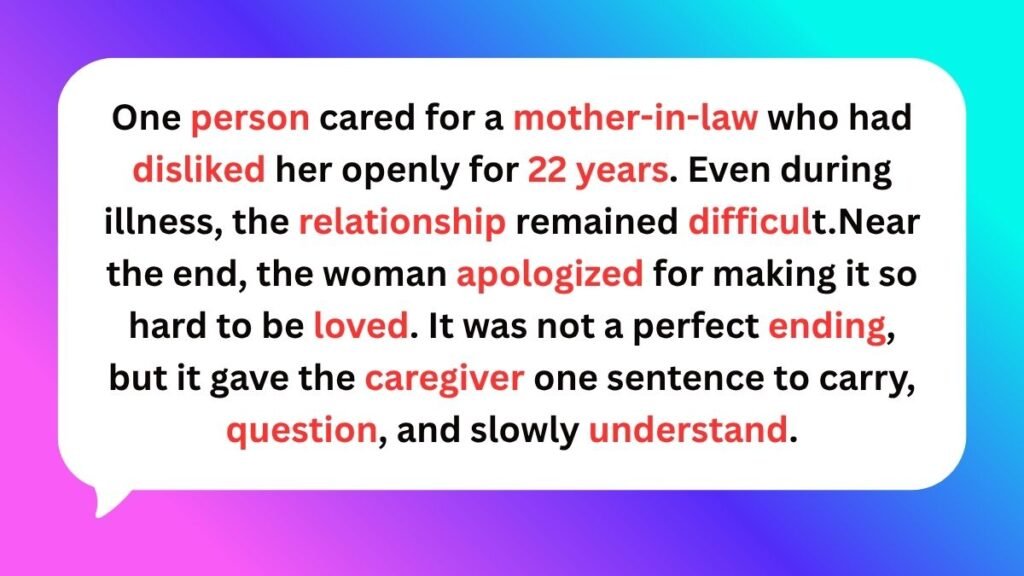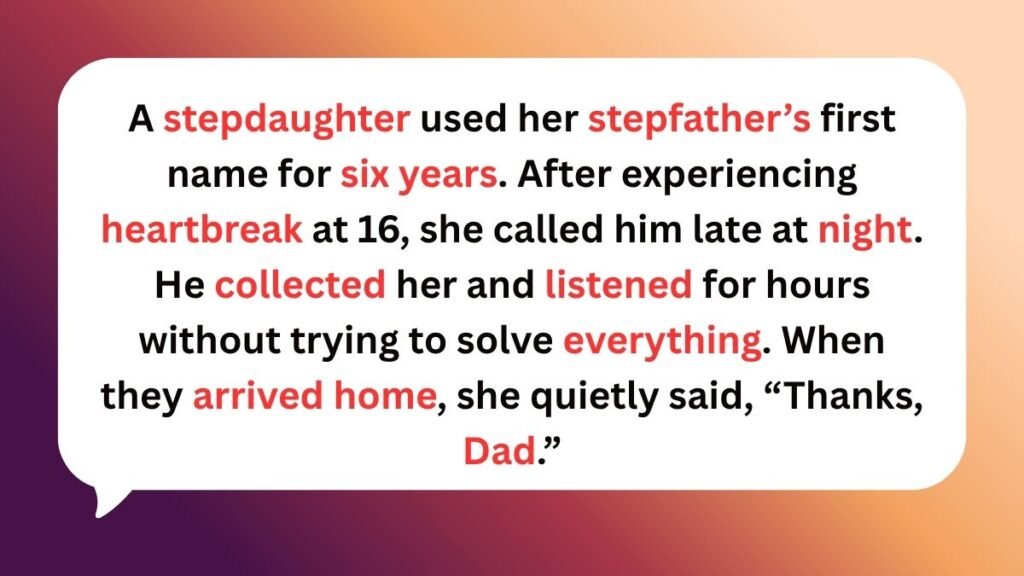


Kindness is often seen as a natural pathway to meaningful relationships, yet psychology presents a more complex picture. Individuals who are consistently compassionate and supportive do not always find themselves surrounded by close friendships. While they create an environment where others feel safe and valued, this dynamic does not always translate into mutual emotional closeness. The expectation that kindness automatically leads to deep connections can overlook the imbalance that sometimes exists in these relationships.
The Role of Emotional Availability
Kind individuals often develop a strong habit of being emotionally available. They listen carefully, offer reassurance, and make an effort to understand others without judgment. This behavior encourages people to open up, creating a sense of trust and comfort. However, this same pattern can become one-sided. While others may feel heard and supported, they may not always extend the same level of curiosity or empathy in return. Over time, the kind person becomes known as the one who listens rather than the one who is listened to.
When Support Becomes a One Way Dynamic
A key factor behind this imbalance is the tendency for kind individuals to prioritize others’ needs over their own. They may avoid sharing their struggles to prevent burdening others or disrupting harmony. This can unintentionally shape relationships where their role is fixed as the supporter. As a result, others may not recognize the need to check in or offer support, assuming that the kind person is always emotionally steady and self-sufficient.
The Experience of Being Unseen
Despite being surrounded by people, kind individuals can sometimes feel misunderstood or overlooked. Their ability to create emotional comfort for others does not guarantee that their own inner world is acknowledged. This can lead to a sense of isolation that is subtle but persistent. They may feel appreciated for what they give, yet not fully known for who they are. This gap between being valued and being understood can affect the depth and quality of their relationships.
The Impact on Long Term Friendships
Over time, the lack of mutual emotional exchange can limit the development of close friendships. Relationships may remain functional and supportive on the surface but lack deeper emotional intimacy. Without opportunities to express vulnerability and receive understanding, these connections may not evolve into strong, lasting bonds. This does not reflect a lack of social ability, but rather a pattern of interaction that prioritizes giving over receiving.
Creating More Balanced Connections
Developing deeper friendships often requires a shift toward balance. Kind individuals can benefit from expressing their own thoughts, needs, and emotions more openly. Allowing others to see different aspects of their personality creates space for more genuine connection. It also signals that support is not only something they offer but something they can receive. This change can gradually reshape relationships into more reciprocal and fulfilling experiences.
Moving Beyond the Surface of Kindness
True connection grows when both individuals feel seen and understood. While kindness is a valuable quality, it becomes more powerful when paired with authenticity and openness. By moving beyond the role of constant support, individuals can build relationships that reflect not only their generosity but also their depth and individuality.
Ramírez, S. (2026, April 21). Psychology suggests that the kindest people don’t always end up surrounded by close friends; they have often. ECOticias.com.