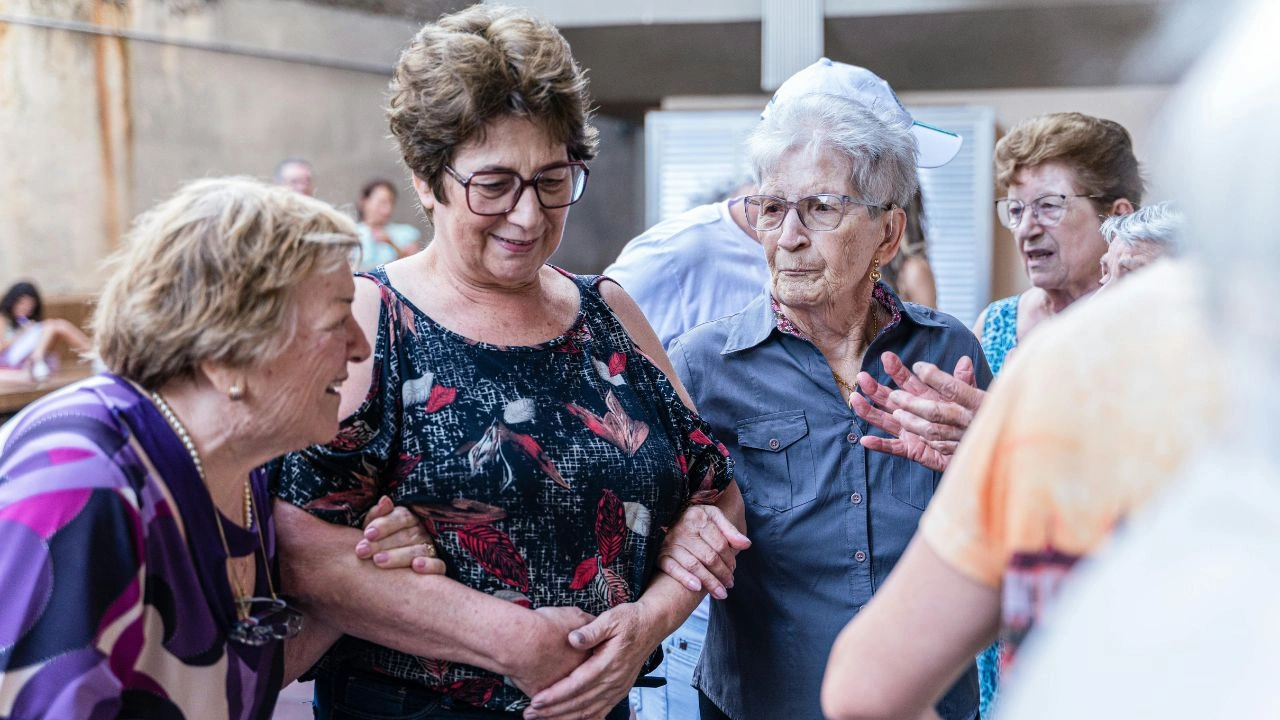

Reaching one’s 60s without close friendships is often misunderstood as a sign of social inadequacy, but this assumption overlooks deeper psychological patterns. Many individuals in this position have not failed socially; instead, they have spent years fulfilling the role of a supporter, caregiver, or problem-solver in the lives of others. Their social interactions may have been frequent and meaningful, yet rarely centered on their own emotional needs. Over time, this dynamic creates an imbalance where they are known for giving support but not receiving it, shaping how others perceive and interact with them.
The Role of Long-Term Emotional Responsibility
For decades, these individuals often become the reliable figure others turn to during difficult times. Whether in families, friendships, or professional environments, they are seen as emotionally steady and dependable. This consistent pattern of being the “strong one” can unintentionally discourage vulnerability. As a result, they may not develop the habit or comfort of expressing their own struggles. Emotional self-sufficiency becomes both a strength and a limitation, reinforcing a one-sided dynamic where support flows outward but rarely returns.
How Independence Becomes an Identity
Over time, repeated behavior solidifies into identity. When someone consistently presents themselves as independent and resilient, others begin to accept this as their defining trait. This perception can become so deeply ingrained that even when circumstances change, people around them may not recognize or respond to their need for support. The individual may also internalize this identity, finding it difficult to break the pattern and ask for help, even when they genuinely need it.
The Social Consequences of Silent Strength
While independence is often admired, it can come with unintended social costs. Without practicing vulnerability, deeper emotional connections may not fully develop. Relationships may remain functional or surface-level rather than evolving into close, reciprocal bonds. Over time, this can result in fewer intimate friendships, especially in later years when social circles naturally shrink due to life transitions. The absence of close friendships is not caused by a lack of social ability, but by a history of unbalanced emotional exchange.
Reframing the Narrative Around Aging and Friendship
It is important to shift the narrative from blame to understanding. People in their 60s without close friendships should not be labeled as socially flawed. Instead, their experiences often reflect years of prioritizing others over themselves. Recognizing this pattern opens the door to change, even later in life. Building meaningful connections is still possible, especially when individuals begin to express their needs more openly and allow others to offer support.
The Importance of Learning Vulnerability
Developing the ability to ask for help and share personal struggles can transform existing relationships and create opportunities for new ones. Vulnerability encourages mutual understanding and strengthens emotional bonds. By stepping away from the role of constant independence, individuals can reshape how others perceive them and invite more balanced, supportive interactions into their lives.
White, A., & White, A. (2026, April 20). Psychology says people who reach their 60s without close friends aren’t socially broken — they spent so many years being the person everyone leaned on that they never learned how to ask for support, and by the time they needed it, performing independence had become the only role anyone would let them play. VegOut.